Eye Symbolism in Ancient Egyptian Art: Hidden Meanings Behind the Eye of Horus and Eye of Ra
Eye Symbolism in Ancient Egyptian Art is not just decoration, it is a language, a message, a quiet conversation between the human world and something far greater. In fact, this powerful eye symbolism dates back as far as 3500–3200 BCE, long before Egypt became a unified kingdom, showing us that the need to “see beyond” has always lived deep within us.
Key Takeaways
- What does Eye Symbolism in Ancient Egyptian Art represent?
It represents protection, healing, divine power, and awareness, especially through the eye of horus and eye of ra. - What is the difference between the eye of horus and the eye of ra?
The eye of horus symbolizes healing and restoration, while the eye of ra represents power, destruction, and the sun. - Why is eye symbolism so important in eye Egypt traditions?
Because the eye was believed to watch over both the physical and spiritual world, acting as a bridge between them. - How was the eye used in ancient Egyptian art?
It appeared in tombs, jewelry, temples, and amulets as a protective symbol. - Is eye symbolism still relevant in 2026?
Yes, people still use the eye of horus and eye of ra as symbols of protection and awareness in modern spirituality. - Where can I explore more symbolic meanings?
You can browse our collection of symbolic traditions to deepen your understanding.
+ The Spiritual Meaning of Animals in Dreams: A Guide to Decoding Your Subconscious Messages
+ 5 Spiritual Signs and Symbols the Universe Uses to Communicate With You
The Ancient Roots of Eye Symbolism in Ancient Egyptian Art
We believe meaning is everywhere, if you know how to look, and ancient Egypt understood this better than most civilizations.
Eye symbolism in ancient Egyptian art was never random, every curve, every line, every color carried intention, reflecting a worldview where the universe communicates through symbols rather than direct language.
In eye Egypt traditions, the eye was not just an organ, it was awareness itself, a symbol of perception that goes beyond sight into intuition, protection, and divine intelligence.
Eye of Horus: The Symbol of Healing and Wholeness
The eye of horus is perhaps the most recognized example of eye symbolism, and for good reason, its story is both mythological and deeply human.
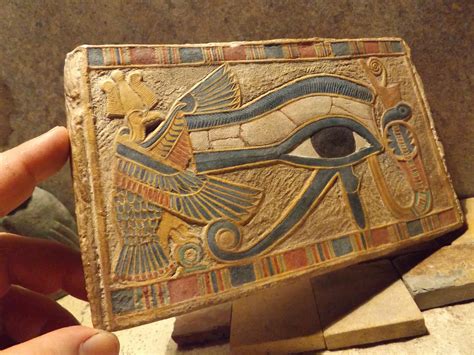
According to ancient tradition, Horus lost his eye in a battle with Set, and when it was restored, it became a symbol of healing, regeneration, and the idea that what is broken can be made whole again.
This is why the eye of horus appears so often in Eye Symbolism in Ancient Egyptian Art, especially in tombs and amulets, where it was believed to protect and guide souls in the afterlife.
Ancient Egyptians assigned mathematical fractions to each part of the Eye of Horus, creating an early system of measurement.
Eye Symbolism in Ancient Egyptian Art and Sacred Mathematics
There is something quietly astonishing about how the eye of horus blends spirituality with logic.
Each part of the symbol represents a fraction, creating a system that reflects both the physical senses and a deeper understanding of the human experience, showing that eye symbolism was never just mystical, it was also intellectual.
Did You Know?
The Eye of Horus is divided into exactly 6 parts, each representing a different human sense, including thought itself.
When we look at Eye Symbolism in Ancient Egyptian Art through this lens, we begin to see something deeper, a system where body, mind, and spirit are all connected.

Eye of Ra: Power, Protection, and the Fierce Sun
If the eye of horus feels gentle and restorative, the eye of ra carries a very different energy.
The eye of ra represents the sun’s force, protection through strength, and sometimes even destruction, reminding us that balance includes both creation and chaos.
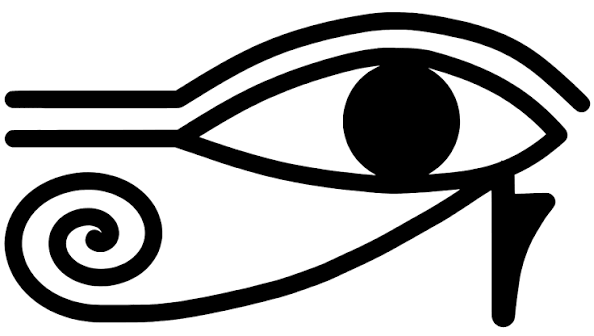
In eye Egypt imagery, the eye of ra often appears alongside powerful deities, symbolizing authority, watchfulness, and the raw energy of the cosmos itself.
Eye Egypt Symbolism in Tombs, Temples, and Daily Life
Eye symbolism was not reserved for sacred texts, it lived everywhere.
From carved temple walls to small protective amulets, Eye Symbolism in Ancient Egyptian Art was woven into daily existence, quietly reminding people that they were always seen, always guided.
This idea still resonates today, especially for those exploring synchronicities or symbolic meanings in everyday life, much like what we explore in our universe and spiritual signs section.
The Deeper Meaning of Eye Symbolism Across Cultures
While the eye Egypt tradition is unique, the idea of a watching, knowing eye appears across cultures.
It shows up in dreams, in spiritual traditions, and even in modern symbolism, which is why many people who explore dream interpretation or hidden messages often feel drawn to it.
If you are wondering what the best dreams meanings for common scenarios actually are, you are already tapping into something.
Why Eye Symbolism Still Matters in 2026
In 2026, we are more connected than ever, yet many people feel a quiet pull toward ancient symbols, especially those that promise protection and awareness.
The eye of horus and eye of ra continue to appear in jewelry, art, and digital spaces, not just as aesthetic choices, but as reminders that the universe often communicates in subtle ways.
Did You Know?
The fractions within the Eye of Horus add up to 63/64, leaving a small missing piece to symbolize that perfection belongs only to the divine.
This missing piece feels important, almost like a quiet whisper from the past reminding us that mystery is part of the journey.
How to Read Eye Symbolism in Your Own Life
By learning to read the symbolic language of the universe, we become more connected, grounded, and aware.
When the image of an eye appears repeatedly, whether in art, dreams, or unexpected places, it may be inviting you to pay attention, to look deeper, to trust your perception.
Read, reflect, question, and most importantly, follow your curiosity.
Eye Symbolism in Ancient Egyptian Art as a Living Language
Eye Symbolism in Ancient Egyptian Art is not frozen in the past, it is alive, evolving, and still speaking to those who are willing to listen.
From the healing energy of the eye of horus to the powerful force of the eye of ra, this ancient eye symbolism continues to guide, protect, and inspire.
This blog is where I channel my fascination with ancient traditions, dreams, sacred geometry, and hidden messages in the ordinary.
Thank you for being here. May you always find meaning in the mystery.
Frequently Asked Questions
What is Eye Symbolism in Ancient Egyptian Art?
Eye Symbolism in Ancient Egyptian Art refers to the use of sacred eye images like the eye of horus and eye of ra to represent protection, awareness, and divine power.
What does the eye of horus symbolize spiritually?
The eye of horus symbolizes healing, restoration, and wholeness, making it one of the most important symbols in eye Egypt traditions.
How is the eye of ra different from the eye of horus?
The eye of ra represents power, the sun, and protection through strength, while the eye of horus focuses on healing and balance in Eye Symbolism in Ancient Egyptian Art.
Why do people still use Egyptian eye symbols in 2026?
In 2026, many people use eye symbolism as a reminder of awareness, protection, and connection to something greater than themselves.
Is eye symbolism connected to dreams or intuition?
Yes, eye symbolism often appears in dreams and intuitive experiences, reflecting awareness and the idea that the universe communicates through symbols.
What is the meaning of eye Egypt symbols in daily life?
Eye Egypt symbols are believed to offer protection, clarity, and insight, helping people feel more grounded and aware in their everyday lives.
+ Keep Discovering